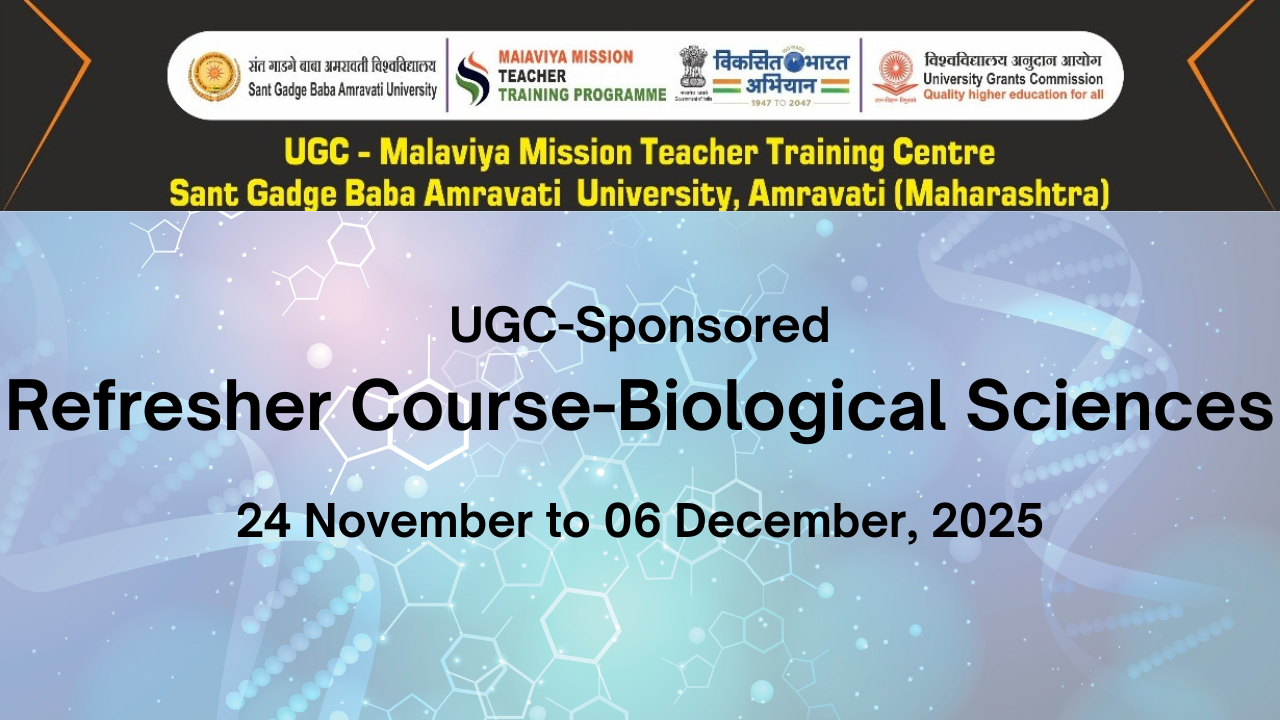
Introduction: -
Biological science is the most important branch of science that deals with the study of all living organisms, including the study of the interactions of organic molecules to the interactions of animals and plants with their environment. Biology focuses on the study of living organisms, their structure, function, and evolution. As the name indicates, biological sciences touch every area of plant, animal and human life from birth, including health care to the environment and recent developments in the field of medicine. Its study provides an understanding of life, the cycle of existence, illness and degeneration. Biological Sciences include studying the physiology of animals, the life cycle of plants, or the microscopic world of bacteria. Biology is the study of life, which is applied in different fields. In Biology, we learn about life, the Origin of life, evolution, different scientists, diseases, organisms and many other aspects related to life on planet earth.
Life Science is a group of advanced biology. Life science is also called biological Science. It is a rapidly advancing and thoroughly inspiring discipline of study. It is a more advanced course, which further provides detailed information about the different branches related to Life Science. Biotechnology, Biochemistry, Genetics, Ecology, Microbiology, Immunology, molecular biology, etc. are different fields of Life Science
It helps us comprehend how life is interconnected with our world, which further aids researchers to integrate the latest advancements in academic subjects with new, improved analytical tools from other fields of science. There are many sub-branches of bio-sciences like Microbiology, Zoology, Botany, Anatomy, Biotechnology, Biochemistry, Entomology, Ecology, Environmental Studies, Genetics, Medicine, Taxonomy, Morphology, Physiology (plant and animal), Pharmacy, Veterinary Science, Marine Biology, etc. It specifically includes the study of life at the Molecular, Cellular and Tissue levels that includes DNA and protein synthesis, cell multiplication, etc. Life Processes in Plants and Animals (Processes that sustain life), Plant and animal Diversity, Change and Continuity (Darwinism and human evolution), biotechnological aspects (development of genetically modified organisms), Environmental Studies (Human impact, natural resources utilization and importance, etc).
Objectives:-
- To provide awareness for further studies and careers in one or more of the biological sub-disciplines.
- To expose participants to the range and scope of biological science, especially towards its applications,
- To stimulate interest in and create awareness of possible specialties and fields of study.
- To increase knowledge of key concepts in the field of Bio sciences, processes, systems and theories.
- To provide recent advances in this field that are needed to inform and explain to students through teachers.
- Course Coordinator: Dr. Varsha S. Kumar